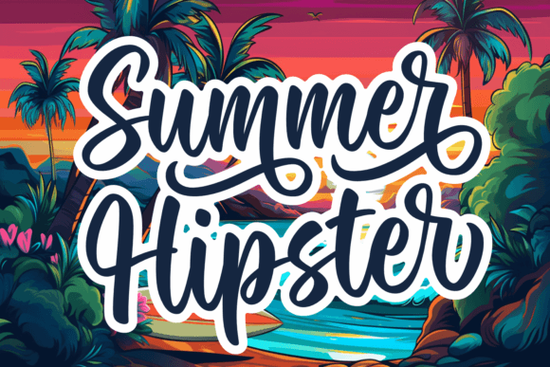
Crafting with a light touch often makes the biggest impact on your final project. When you need something cheerful and approachable, finding the right typeface matters significantly. Many creators prefer the Summer Hipster Font because it adds immediate personality to any layout. It transforms basic text into something warm and inviting without needing complex graphics. Whether you are preparing a wedding card or updating a brand identity, having a script that feels relaxed yet structured is key.
Does this font work for wedding invitations?
Yes, this specific style works exceptionally well for high-touch events like weddings. The flowing curves mimic hand lettering, which guests associate with personal care and effort. You can combine the text on envelopes or place it centrally on a save-the-date. If you are working on packaging for a boutique brand, the friendly aesthetic helps customers connect with the maker behind the product.
Sometimes, pairing it with a cleaner sans-serif creates perfect balance. However, relying solely on a single handwritten typeface gives a cohesive look that stands out against stiff corporate materials. We recommend testing the legibility at smaller sizes before committing to print runs. Detailed spacing ensures every letter remains distinct even on textured paper. You can view more examples of how this style performs in various applications by checking out the full resource page here.
How do I handle special characters and ligatures?
This package utilizes PUA encoding, meaning you do not need to hunt through menus to find swashes or alternate letters. Most modern design software allows you to access these extras via a Character Panel or OpenType menu. Once installed, simply hover over your text to see the available options appear above the cursor.
For instance, certain letter combinations like "st" or "th" might automatically switch to a connected form for a smoother flow. If you struggle to locate them, verify that OpenType features are active in your program settings. Accessing all the amazing glyphs becomes much easier when you understand where to click. This feature saves hours of manual adjustment when creating logos or headlines. It is designed specifically so that anyone can create professional-grade results quickly.
What other scripts complement this vibe?
If you want to expand your library with similar personalities, exploring related collections is wise. Styles like Biscuit Font offer a softer, rounder edge that pairs well with bolder headers. Alternatively, couples planning a themed event might look toward Honeymoon Handwriting for a romantic touch. Both maintain the casual attitude while offering unique structural shapes.
Designers who prefer intricate details often enjoy mixing in lighter weights. A script like Little Love provides delicate strokes suitable for accents or quotes. Conversely, projects requiring strong visibility benefit from Better Together, which offers thicker lines that hold up on social media thumbnails. Mixing these tools gives you flexibility when adapting to different media formats.
You might find inspiration in our broader categorization of similar handwriting collections to diversify your toolkit further. Another great option involves browsing curated selections at this specific category page. For broader thematic ideas regarding seasonal designs, visiting the dedicated archive for wedding fonts helps visualize usage scenarios. Finally, exploring these pairing resources can aid in creating balanced layouts.
Where should I start with installation?
Installing any new typeface follows a standard procedure depending on your operating system. Double-click the downloaded .ttf or .otf file and select "Install." Wait for the progress bar to finish before opening your software. Restart your application if the font does not appear immediately in the list.
- Download: Save the zip file to your local machine.
- Extract: Unpack the folder to access the font files.
- Install: Run the installer on Windows or Mac OS.
- Verify: Check that the font name appears in your design editor.
This process ensures everything is set up for seamless editing sessions. Once ready, open your vector program or word processor to begin typing. Saving your designs as PDFs or images preserves the typography exactly as intended.
Having the right tools simplifies the creative workflow significantly. Start by sketching your layout on paper before digitizing the text. This prevents wasted time adjusting kerning after the fact. Always export high-resolution files when sending proofs to clients. By following these steps, you will achieve consistent quality across every deliverable.
Explore Design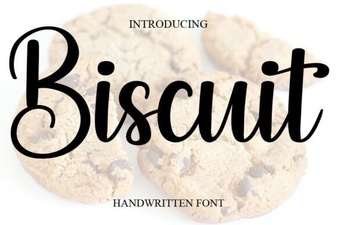 Biscuit Font: Creative Designs for Digital & Print Projects
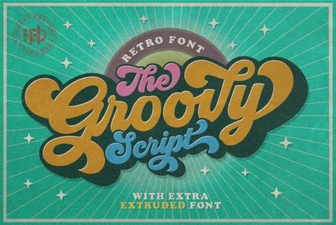 Groovy Fonts for Creative Web Design Projects
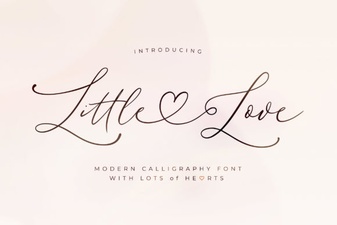 Little Love Font: a Creative Tool for Web Designers
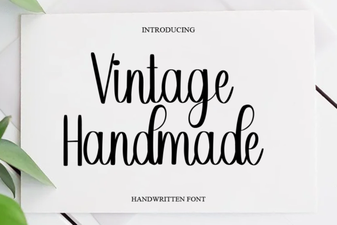 Vintage Fonts for Modern Handmade Crafts
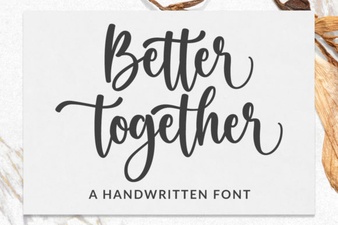 Better Together Font: Design Inspiration & Uses
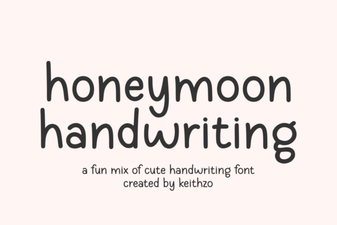 Handwrite Your Love Story with Honeymoon Font