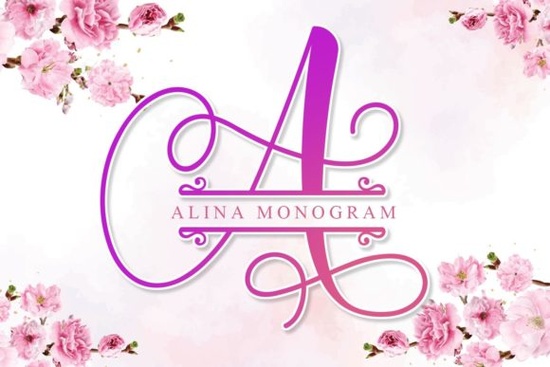
Finding the perfect script for your next project often takes longer than expected. Many designers struggle to balance elegance with readability when creating custom materials, especially when time is short. That is why Alina Monogram Font stands out as a reliable choice for creative professionals. It offers an authentic feel without looking forced or overly trendy. Whether you are working on a wedding invitation or a new logo concept, having a versatile typeface saves valuable time during production. The stroke weight is distinct enough to stand alone yet soft enough to blend well with smaller details.
You can apply this tool across multiple digital and print mediums without issue. For instance, stationery artists appreciate how well the strokes interact with spacing requirements on greeting cards. Social media managers also use it to grab attention in feed images without cluttering the layout. It bridges the gap between formal lettering and casual handwriting styles effectively. If you want to compare styles or look for community feedback, many users discuss their experiences when they research Alina Monogram.
What projects pair well with this script style?
This font excels in personalized goods where a human touch matters most. Small business owners often use it for branded packaging or thank-you notes included in orders. A boutique clothing label might use it for hangtags because it conveys a sense of care and craftsmanship. Event planners rely on these characters to create cohesive themes for parties and baby showers. Because the character set includes numerals and punctuation, numbers on price lists look uniform alongside the letters.
Print-on-demand sellers should note that this style works particularly well for sublimation prints on mugs and tote bags. The curves hold up even when wrapped around cylindrical shapes. You might also consider it for scrapbooking layouts where you need to emphasize journaling headers. It avoids the stiffness sometimes found in all-caps serif designs, making it approachable for casual audiences.
How do I install the file for design software?
Preparing the font for use involves downloading the compressed package and extracting the necessary files. Most design applications accept standard OpenType or TrueType formats, so you should verify your program supports those extensions. If you are using a cutting machine like Cricut or Silhouette, convert the text to paths or outlines before sending it to the cutter. This ensures that the spacing remains locked when the design is transferred from screen to material.
Installation steps vary slightly depending on your operating system. On Windows, right-click the file and select install to register it in your font menu immediately. Mac users typically drag the font file into the Font Book application. Once added, restart your design software if it was already open. This refreshes the list and makes the characters available for immediate typing. Checking the preview gallery before you commit to a purchase is wise to ensure the specific accents and special characters meet your language needs.
Is this suitable for commercial merchandise?
Licensing terms determine whether you can sell items made with this asset. Creative Fabrica packages usually come with a Commercial License, allowing you to produce physical goods for resale. However, you cannot simply resell the font file itself as a digital product. You must embed the font into a design where the value comes from the artwork, not the typeface alone. This distinction protects the original designer while giving creators freedom to build businesses around their own skills.
Always review the specific license agreement associated with your download. Some tiers allow larger print runs or require attribution. When building a brand identity, consistency is key. You want every piece of correspondence to reflect the same personality. This font helps maintain that voice without requiring a graphic designer to customize every single template from scratch.
Tips for preventing spacing errors in print
Even with high-quality fonts, printing problems can occur if preparation is skipped. Kerning adjustments help tighten or loosen space between specific letter pairs. Without manual tweaking, some combinations might look awkward or disconnected. Test a phrase on actual paper before mass-producing hundreds of copies. Lighting conditions also affect how much ink shows up on dark versus light backgrounds.
To ensure professional results, follow this quick verification list:
- Download the correct file version: Confirm you have the version compatible with your printer driver.
- Check resolution: Ensure your vector exports are at least 300 DPI for crisp edges.
- Validate spelling: Double-check names on invitations; errors are costly to fix after printing.
- Review line height: Script fonts often require more vertical breathing room than block letters.
- Backup your work: Keep a copy of the raw project file separate from final exports.
If you decide to move forward with purchasing the asset, remember to bookmark the resource for future updates. The main download page often contains updated character maps or bonus layers that improve usability over time. Staying organized with your digital assets keeps your workflow smooth.
Next Steps
Before you begin your final project, save your chosen settings for reuse. Create a preset profile if your software supports it. This reduces repetitive adjustments for every new document. Take the time to experiment with color pairing and overlay effects to maximize visual impact. Your work will benefit from this initial investment of time.
Explore Design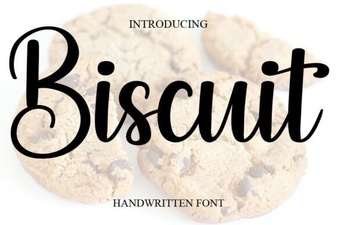 Biscuit Font: Creative Designs for Digital & Print Projects
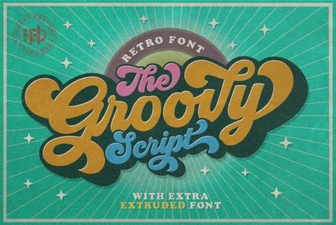 Groovy Fonts for Creative Web Design Projects
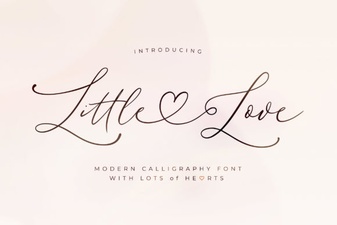 Little Love Font: a Creative Tool for Web Designers
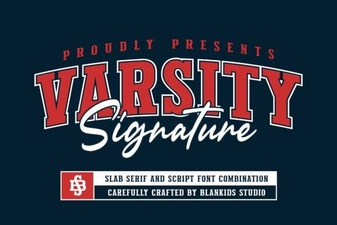 Design Your Team Spirit with Varsity Signature Font
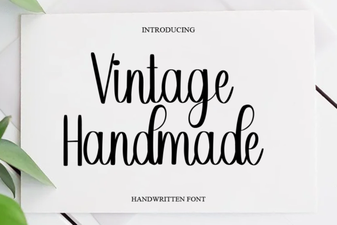 Vintage Fonts for Modern Handmade Crafts
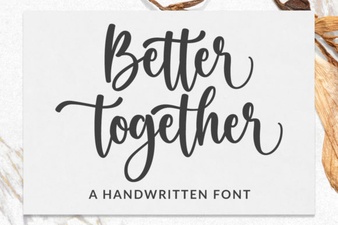 Better Together Font: Design Inspiration & Uses