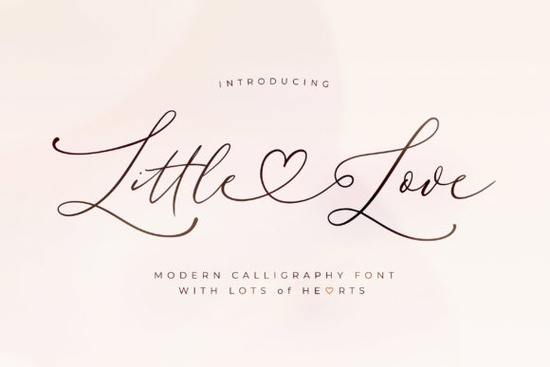
If you have been hunting for a typeface that strikes a balance between delicate aesthetics and reliable functionality, you might already know exactly what Little Love Font brings to the table. It is designed with a refined and graceful script character that feels both modern and timeless. Whether you are designing a wedding invitation suite or updating a small business logo, adding personality to your work requires tools that behave well in your software. This specific font delivers a clean, thin, and smooth vibe that complements a wide variety of project types without overwhelming the rest of your design.
Why does PUA encoding matter for your projects?
One of the most frustrating aspects of working with decorative type is encountering missing glyphs or broken characters during export. Fortunately, Little Love Font is PUA encoded. What does this mean for your daily workflow? It allows you to access all of the included glyphs and swashes with ease, regardless of whether you are working in Adobe Illustrator, Cricut Design Space, or Silhouette Studio. You do not need to map complex keyboard shortcuts manually.
This technical feature ensures that extended swashes connect seamlessly to the base letters. If you plan to export SVG cut files for vinyl cutting, stability is key to avoiding alignment issues later on. For a detailed breakdown of how this affects file quality, you can verify Little Love Font specifications directly on the marketplace page where it is hosted. This verification step helps confirm that the character set aligns with your specific version of design software before you commit to a large batch production run.
Where does this script style fit best?
The aesthetic of this typeface leans heavily into elegance and approachability. It is particularly well-suited for events that require a touch of formality mixed with warmth. Imagine a baby shower card featuring names written in flowing lines, or perhaps a boutique packaging label for handmade soaps. Because the strokes remain relatively uniform in thickness, the text remains legible even at smaller sizes compared to other brush-style alternatives.
Designers often pair this script with a solid sans-serif header to create contrast. A thick, bold main title pairs effectively with the thinner weights of the handwriting font underneath. This creates a visual hierarchy that guides the viewer’s eye down the page. If you prefer a different weight distribution but want that same soft feel, you might explore elegant script choices found under categories like those available at other popular collections. Sometimes switching from a heavy brush look to a finer line work makes your brand identity feel less aggressive.
How to match this with complementary designs
Making typography decisions rarely happens in isolation. You need to consider the surrounding imagery, background textures, and color palettes. The smoothness of this font allows it to sit comfortably over watercolor textures or light floral backgrounds. It does not compete for attention; rather, it enhances the mood of the graphic.
When building a full design system, consistency is vital. If you are creating a stationery package, you might want to use a matching handwriting font for signatures or closing notes. For creators who want something slightly softer and rounder than the current selection, we recommend looking into soft handwritten styles available through resources like Hello Honey. These fonts share a friendly energy while maintaining the professionalism required for commercial use. Alternatively, if you are aiming for a nostalgic feel for a bakery or cafe menu, you could investigate vintage-inspired calligraphy options such as those found in vintage themed packs.
What happens if you need a heavier weight?
Occasionally, a project calls for more visual weight behind the text. While this particular set focuses on the delicate side of script design, having a backup option saves time. If you find the lines are too thin for outdoor signage, consider switching to a bolder variation. For instance, searching for rounded lettering can lead you toward options like Biscuit, which retains a casual charm but offers greater opacity on screen or print. Balancing thin and thick elements keeps your layout dynamic and prevents the viewer from losing interest quickly.
Another strategy involves combining two different font families. You can pair a display font with a text script to handle body copy while keeping the headline impactful. A great example of this pairing method is explored in paired print scripts. Duo sets are constructed specifically to work together, saving you hours of testing spacing and compatibility. This reduces the risk of mismatched kerning that often ruins the overall polish of a finished piece.
Practical tips for successful installation
Before you begin applying this font to your canvases, proper installation is the foundation of success. Double-check that you have unzipped the downloaded zip folder containing the TrueType or OpenType files. Installing the font directly from your operating system settings prevents conflicts when you open third-party applications. Restart your design program after the installation process completes to ensure the new font family appears in the library.
If you notice missing swashes after activation, try adjusting your auto-ligature settings. Most modern software detects these connections automatically, but some older versions may require manual engagement. Always save your work in its native file format before converting to PDF or JPG to preserve the vector data. Below is a quick checklist to help ensure everything runs smoothly:
- Verify File Type: Confirm you received both OTF and TTF versions if offered.
- Check Licensing: Review the Commercial License terms for POD usage specifics.
- Test Character Set: Type out a sample sentence including all swashes and punctuation.
- Export Settings: Use high-resolution PNG or Vector formats for crisp edges.
- Backup Source: Store your original files in a cloud folder in case of local corruption.
By following these steps and selecting the right typefaces, your output quality will improve significantly. Whether you are scaling up a custom gift shop or finalizing a personal portfolio, choosing the right lettering tool simplifies the creative process.
Download Now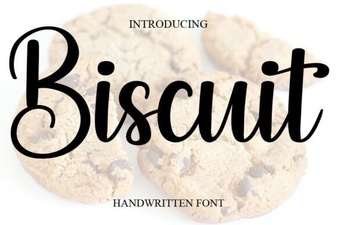 Biscuit Font: Creative Designs for Digital & Print Projects
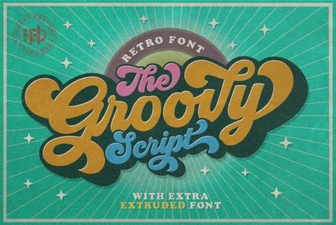 Groovy Fonts for Creative Web Design Projects
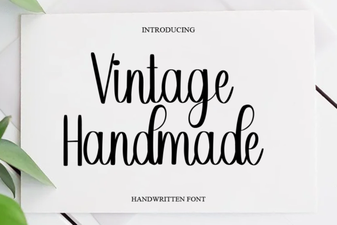 Vintage Fonts for Modern Handmade Crafts
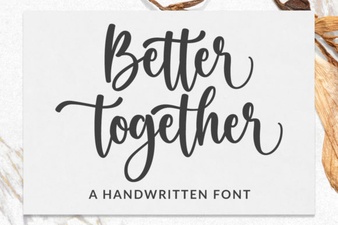 Better Together Font: Design Inspiration & Uses
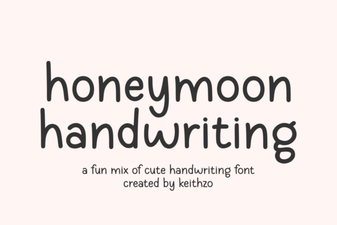 Handwrite Your Love Story with Honeymoon Font
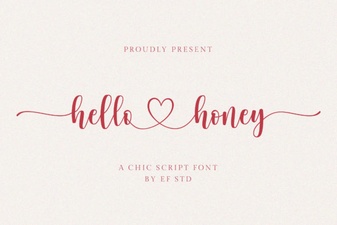 Hello Honey Font for Creative Design Projects