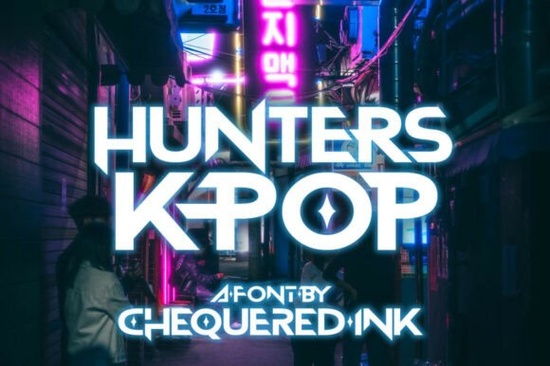
If you have been scrolling through design marketplaces looking for a typeface that captures the raw energy of Asian pop music, you are likely searching for Hunters K-pop Font. This specific typeface was designed with sharp, straight edges and cut-out counters that immediately evoke the rhythm of techno and dubstep. Whether you are building a brand identity for a music artist or creating graphics for a Twitch streamer, having a font that communicates high-energy movement is essential.
Why Typography Matters for Music Branding
In the music industry, visuals are just as important as the audio. An album cover or social media post needs to tell the listener what kind of sound they can expect before pressing play. Typography sets the mood instantly. If the letters look soft and round, it suggests a chill lo-fi track. Conversely, geometric shapes and aggressive angles signal intensity and drive.
The Hunters K-pop Font utilizes a heavy, blocky weight that stands up well even at smaller sizes. This is crucial for mobile viewing, where users scroll quickly through feeds. The unique counters the negative spaces inside the letters add texture that prevents the design from looking flat. It gives a modern, industrial feel without losing readability.
Ideas for Using Bold Display Fonts
Once you have the file installed, the possibilities expand significantly. Many creators find that this specific style works best when paired with minimal photography. Here are a few practical ways to utilize it in your workflow:
- Merchandise Mockups: Print this design onto black t-shirts or hoodies. The contrast between the white, edgy lettering and dark fabric creates a streetwear aesthetic common in K-fashion.
- Video Stream Overlays: Setlists and intro cards look professional when styled with a font that mimics electronic signage.
- Social Media Banners: Use the wide stance of the letters to create banner images that grab attention in crowded newsfeeds.
- Game Assets: Character selection screens or UI menus benefit from the futuristic, sharp lines found in the glyph set.
Finding Complementary Styles
Not every project demands such an aggressive tone. Sometimes, a designer needs to balance the hard edges with something smoother to achieve harmony. If you decide to experiment with different eras, checking out vintage options can provide that nostalgic counterpoint. A retro color palette combined with this modern typeface creates a compelling contrast known as "cyberpunk nostalgia."
Occasionally, you might need to soften the blow for promotional materials targeting a younger demographic. While this font remains cool, alternative script collections offer a feminine touch that can balance out the masculine geometry. On the other hand, if your project involves community events or university groups, looking into athletic lettering styles provides a structured approach to team branding.
Varying Your Tone
Consistency is key in branding, but variety keeps engagement high. During a campaign run, switching between different display families prevents audience fatigue. For example, a marketing push might start with the intense Hunters style, transition to a playful mid-phase design, and end with a softer call to action. This emotional journey guides the viewer through the sales funnel.
Sometimes, brands need to communicate sweetness or approachability alongside their core message. In those scenarios, shifting the visual language to something akin to approachable lettering ensures the message lands gently. Having a library with diverse personalities allows you to pivot quickly without losing quality.
Installation and File Compatibility
When you purchase a font pack from a marketplace, ease of use matters. This collection typically includes standard web formats (OTF, TTF, WOFF) that are compatible across most operating systems. You can install it simply by double-clicking the file and clicking "Install" on Windows or macOS. Once active, it appears in your font manager alongside your system defaults.
For designers working in vector software like Adobe Illustrator, you can convert the text to outlines. This is highly recommended for printing to ensure the characters do not shift if the recipient does not have the font installed. Always check the license terms included in your download folder to confirm commercial usage rights. Most premium packs allow for print and web use, but redistribution restrictions usually apply.
Quick Implementation Checklist
Before finalizing your artwork, run through these steps to ensure a polished result:
- Verify Readability: Zoom out to see how it looks at thumbnail size.
- Check Contrast: Ensure the text contrasts sufficiently with the background image.
- Kerning Adjustments: Manually tweak the space between letters if tight spacing looks unintentional.
- License Confirmation: Double-check that your intended use case (print vs. digital) is covered.
- Backup Files: Save a copy of your layered project file after exporting the final version.
Ultimately, choosing the right typeface impacts how your audience perceives your professionalism. By selecting a font designed specifically for high-impact communication, you save time on revisions and increase the likelihood that your message sticks. Remember that good design is about problem-solving; whether you need to sell a product or announce an event, let the typography do the heavy lifting.
Download Now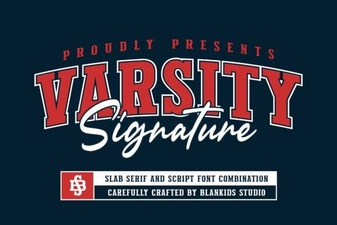 Design Your Team Spirit with Varsity Signature Font
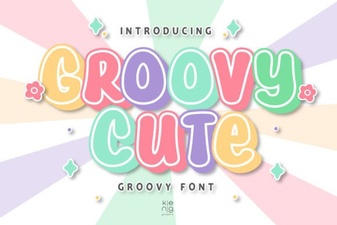 Groovy Fonts: Adding Creative Flair to Your Designs
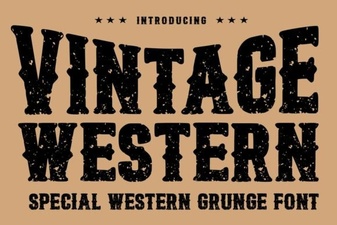 Designing with Vintage Western Font Styles
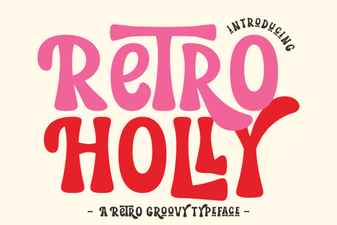 Retro Holly Font Design Tips & Creative Projects
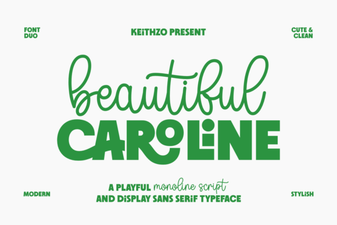 Beautiful Caroline Font: Styles & Free Download Guide
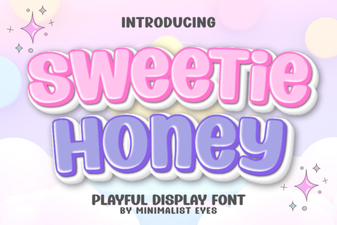 Sweetie Honey Font: the Creative Design Collection